All ArticlesHome Additions
How Much Does a Home Addition Cost in 2026?
Cranberry Contracting SEP 15, 2026
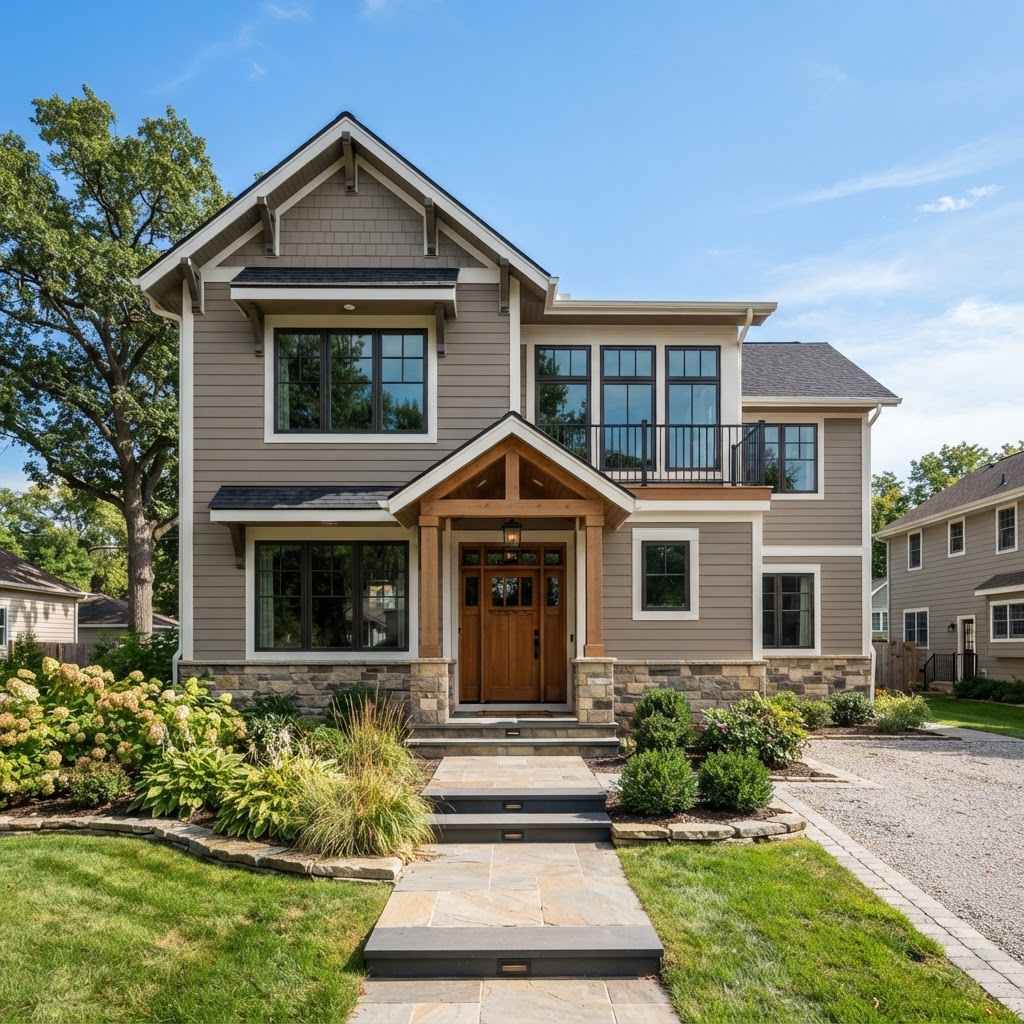
A practical breakdown of what drives the cost of a home addition, from foundation to finishes, so you can budget with confidence.
A home addition is one of the biggest investments a homeowner can make, and also one of the most rewarding. Whether you are adding a primary suite, a second story, or a sunroom, understanding the cost drivers helps you plan with confidence instead of guesswork.
Every addition is unique, but the major cost categories stay consistent. Here is where your budget goes:
A ground-level room addition typically runs from the low hundreds to several hundred dollars per square foot depending on complexity and finish level. Second-story additions and kitchens push toward the higher end because of structural work and mechanical integration.
The best way to control cost is to lock the scope before construction starts. A fixed-price contract with a clear set of plans removes the guesswork and protects you from change-order surprises. Always build a 10 to 15 percent contingency for the unknowns that only become visible once walls are opened.
Cranberry Contracting handles design, permitting, and construction under one roof. Request a free consultation and we will deliver a detailed scope and a fixed-price estimate for your addition.
Talk to the Cranberry build team. Free on-site consultation, transparent pricing, and craftsmanship that lasts.
Request a Consultation